The below was sent to Dept. Corrections, on Thursday, Dec. 26, 2024 at 2:00 PM.
Georgia Dept. of Corrections:
I am writing an opinion column focused on HB 1105, and the quarterly reports your office is required to file as per OCGA 42-1-11.4 (Section 7, HB 1105). I paste the text of that part of state law below:
42-1-11.4. Reports regarding foreign-born inmates in custody.
“The commissioner shall, on the official public website used by the department, publish a report of aggregate data on the immigration status, offenses, and home countries of inmates who are confined under the authority of the department who are not citizens of the United States and to whom the United States Immigration and Customs Enforcement Division of the Department of Homeland Security has issued immigration detainer notices as such term is defined in Code Section 42-1-11.5. Each report shall include the total number of inmates who are not citizens of the United States; provided, however, that any inmates who are citizens of both the United States and one or more other countries shall be designated as such as a separate category. Such report shall be first published on October 1, 2024, and every 90 days thereafter; provided, however, that if the ninetieth day falls on a state holiday or Saturday or Sunday, then such report shall be published the next business day.”
________
My goal is to share the information contained in the October 31, 2024 report with my readers but after an exhaustive search of the cdc.georgia.gov website I do not see a link to report in question. I would be grateful if someone can point me to the post on the official website assuming I have somehow overlooked posting. I have made screenshots of the site.
Again, assuming that I have not overlooked the Oct 31, 2024 report post, I would be grateful for an explanation to share with readers on why the initial report is not on the website.
The below media request was sent to Rep Washburn Oct. 17, 2024. He did not reply.
From: “D. A. King” <d Date: October 17, 2024 at 4:03:11 PM EDT To:dale.washburn@house.ga. gov Subject:Media request.
Rep Washburn,
I am writing a column for your local paper and hope for a comment or quote from you. I heard you say you support instate tuition rates at GA’s public colleges for illegal aliens with President Obama’s DACA status. I hope to offer readers an explanation from you on that support.
Pls include any comment on other matters related to illegal immigration in GA is welcomed.
My deadline is Monday 9AM
Thank you,
D.A. King
404-

The below media request was sent to TCSG on Oct. 6, about 4:46 PM.
Related reading: Despite state laws, illegal aliens run businesses in Georgia and they hire illegal aliens
To whom it concerns at TCSG,
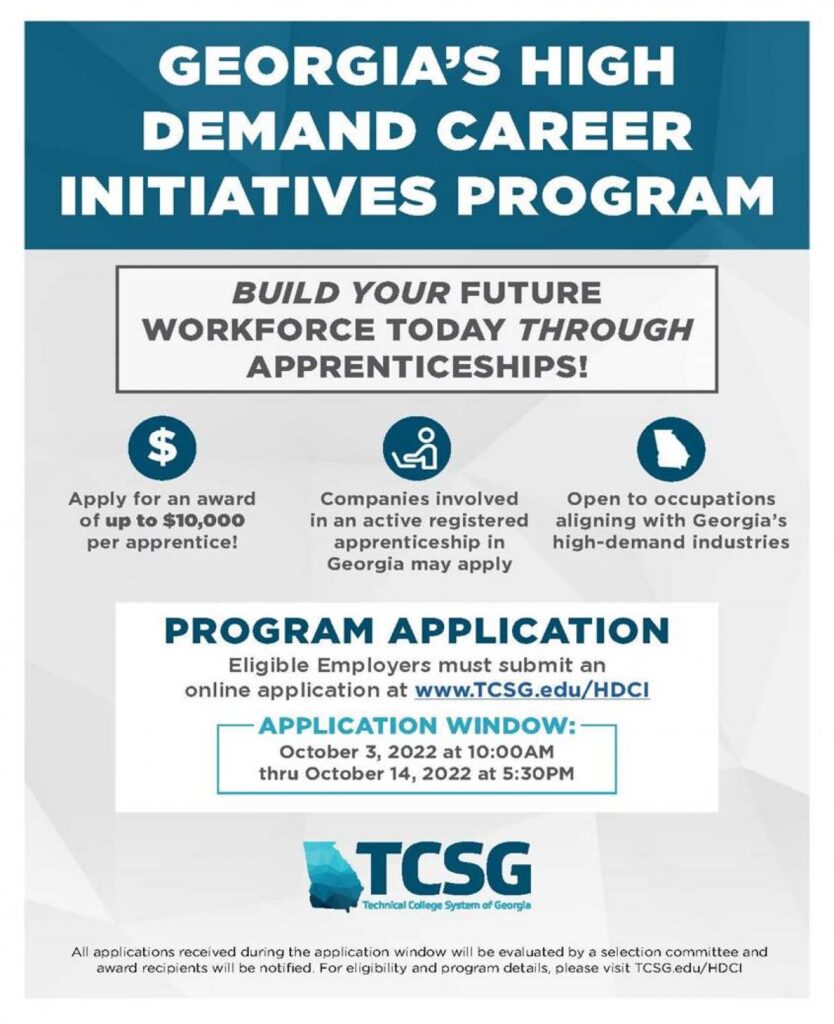
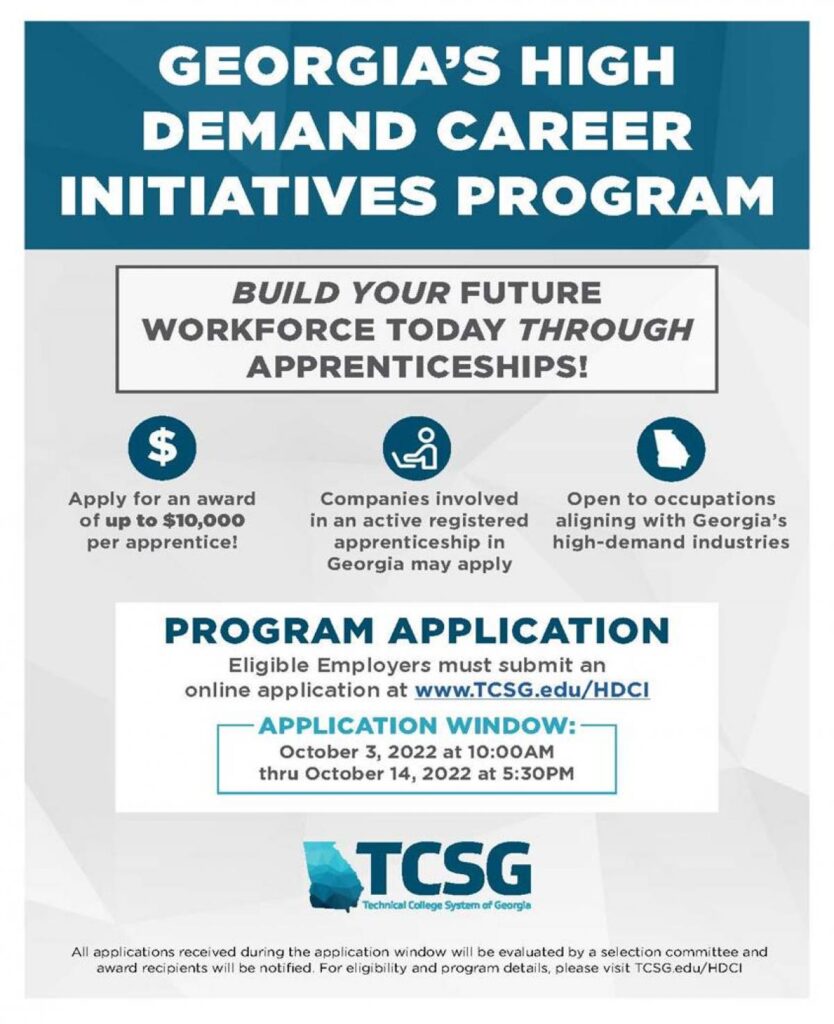
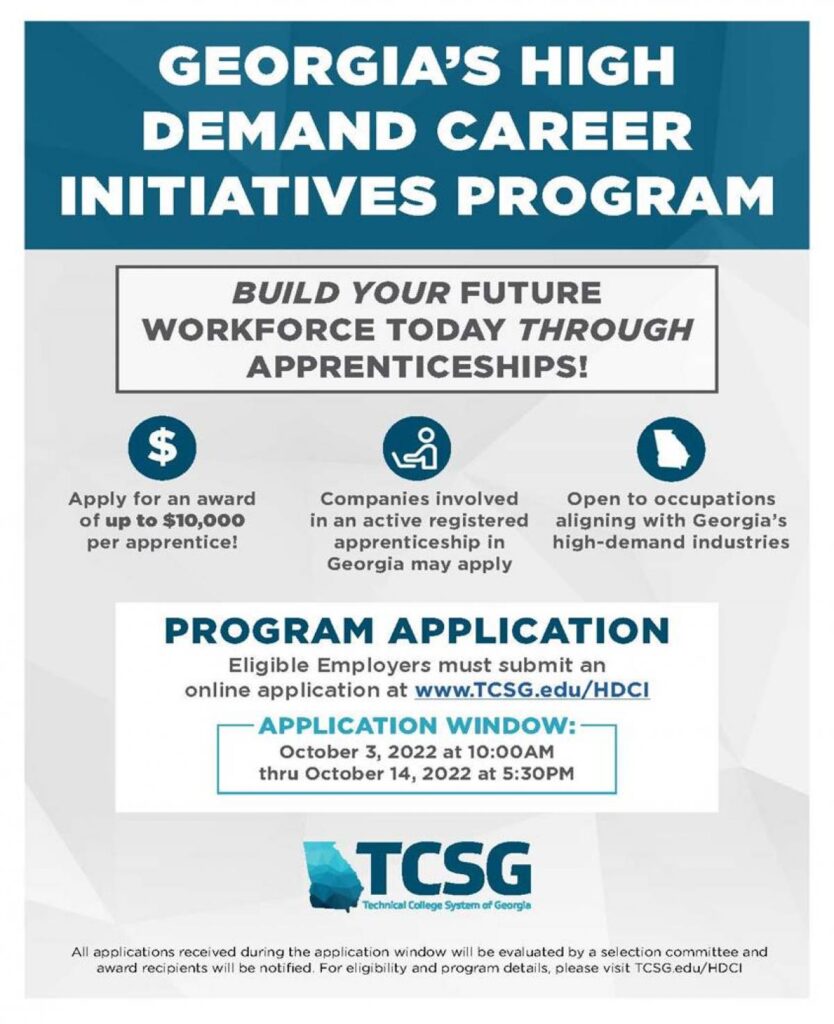
I write to ask for comment on the TCSG policy on the requirement for verification of “lawful presence” contained in (2024) SB 497 (lines 197-201) as it applies to the employers who participate in the apprenticeship program and collect significant cash awards from the Georgia budget. I plan to write educational opinion columns on the premise that TCSG apparently does not have in place a system to ensure that employers who are in the U.S. illegally are excluded from benefits in the apprenticeship program – and that participating employers are not required to undergo the verification measures in OCGA 50-36-1. If true, that policy seems to be in contradiction of state law and could invite court action.
Greg Dozier, Commissioner of the Technical College System of Georgia (TCSG).
“Question to Chairman Martin: Was it your intent to omit the employer from a verification process or do you hold the position that the addition on line 201 of SB 497 will somehow include the verification of lawful presence for the employer who sends an employee to be trained, please? If it is the latter, it will help my readers (including many state legislators) if you could offer an explanation of that position.
Rep Chuck Martin – Chairman, GA House Higher education Committee.
Chairman Martin: “No, in fact, I believe the language covers the employer as well. Additionally, ‘Apprenticeship sponsor’ is defined in the bill (lines 116 – 120), so the additional language added to 50-36-1 is a bit of “belt and suspenders” for state verification.”
I am also looking for an answer to the question on whether forH1B workers are still being included as apprentices. I was informed by TCSG staff last year that H1B workers are in fact included in taxpayer-funded “upskilling” in the apprenticeship program. I look forward to including any further input from TCSG on the reasoning for the reported current policy and system. That revelation has created some expert attention.
Since the passage of SB 497, the Technical College System of Georgia (TCSG) has been diligently working to establish procedures that ensure both compliance and effective administration of the High Demand Apprenticeship Program. As part of these efforts, we are developing a program-specific affidavit for employers participating in the program, which will verify that all participating employers are lawfully present in the United States, in order to put to rest any concern regarding compliance with O.C.G.A. 50-36-1. We anticipate finalizing and adopting this affidavit within the next month.
After a diligent search of our records, TCSG can confirm that as of this date there have been no H1-B visa holders who have participated in TCSG college-sponsored Registered Apprenticeship Programs (RAPs). It is worth noting that, according to the U.S. Department of Labor, Registered Apprenticeship Programs are widely regarded as a strategic solution to upskill American workers and thereby reduce the dependence of employers upon H1-B and other foreign labor sources.
I am writing an educational opinion column focused on the change instituted by lines 197 – 201 inSB 497 as passed in the 2024 legislative session to the Registered Apprenticeship Program (RAPs) operated by TCSG as part of the newly renamed HDAP. Line 201 adds “Apprenticeships” to the list of public benefits in OCGA 50-36-1 (“Verification of Lawful Presence Within the United States”). I have been working with OCGA 50-36-1 since it was created in 2006. Generally, this addition to the law creates a mandate for applicants for the public benefit of “Apprenticeships” to complete and submit applications, affidavits and “Secure and Verifiable ID” while making TCSG responsible to collecting the documents and being registered with the federal SAVE program as a way of verifying eligibility of the applicant in the administration process.
Greg Dozier, Commissioner, TCSG.
Willful violation of the code section by an agency head can be prosecuted as a high and aggravated misdemeanor.
I did extensive research with assistance from your office in December 2023 and January 2024 on the apprenticeship program and am all but certain that I was informed the TCSG did not require an application for a prospective apprentice as that was done at the federal level. I assume the new law has changed that scenario and that there is now an application process in place in Georgia. I note that the USDOL apprentice application does not require an SSN.
In addition to this request for comment I am submitting an open records request today to TCSG asking for a copy of any application needed to satisfy the new requirement and copies of any documents that have been processed for prospective participants in the apprenticeship program since the law became effective on July 1. My ORR will include a request for copies of applications for participation in the apprenticeship benefit by apprentices themselves, and also employers and sponsors who desire to send employees to be “unskilled” at taxpayer expense and become beneficiaries of state funding to create and expand Registered Apprenticeship Programs (RAPs).
Supra.com has reported that “through RAPs, employers can access support to train skilled workers and meet their workforce needs. Currently, Georgia has more than 10,000 apprentices in RAPs.”
I am also interested in educating readers on the inclusion of H1-B workers in the RAP. Please note that I was assured by TCSG staff earlier this year that “undocumented immigrants” can participate in the RAP and by another staffer that H1-B workers were apprenticeship beneficiaries.
To insure a fair, balanced and accurate write up of TCSG’s adherence to the law and to explain the changes made by the TCSG staff to accommodate the new mandate, I would welcome any input, comment, explanation and description of any newly instituted administrative practices by TCSG in this regard from your office.
I will likely have additional questions on details as follow-up. I would be grateful for your input in my effort to educate readers that includes many Georgia legislators.
Response received from TCSG’s Mark D’Allessio (Executive Director Office of Communications, TCSG) on July 11, 2024 at 2:18 PM
“Hi Mr. King
To administer S.B. 497 the Technical College System of Georgia (TCSG), Office of Workforce Development (OWD) anticipates carrying out the following procedure in reference to the requirements of O.C.G.A § 50-36-1. We anticipate that this procedure will be included in the High Demand Apprenticeship Program Policy and Procedures document reviewed and approved by the TCSG Board at a later date, but prior to the start of the application period.
For an employer to be eligible for a contract to be executed with TCSG, the employer must submit to OWD the following required documents:
Signed Memorandum of Understanding (MOU) Agreement
Employment & Training Administration (ETA) Form 671 (for apprentice)
Wage Verification Form (for apprentice)
The following process would be completed by the individual apprentice:
Federal Systematic Alien Verification for Entitlements (SAVE) Program
In accordance with Georgia law (O.C.G.A § 50-36-1), the Office of Workforce Development will require apprentices whose employer receive funds from the High Demand Apprenticeship Program to provide the following documents as verification of lawful presence in the U.S:
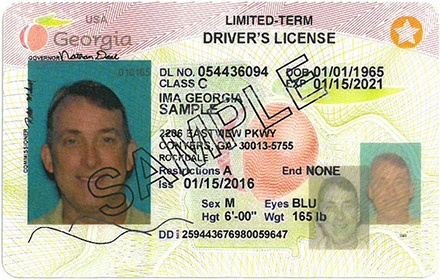
At least one (1) Secure and Verifiable document (for apprentice)
o Driver’s License/State ID
o U.S. Passport
o Military ID
o U.S. Permanent Resident Card (Green card), etc.
Signed Verification of Eligibility for Public Benefit Affidavit w/ One of the Three Categories Selected (for apprentice)
o U.S. Citizen
o Legal permanent resident of the U.S
o Qualified Alien or Non-immigrant under the Federal Immigration & Nationality Act
Applicants who identify themselves as Qualified Aliens/Non-immigrants on the affidavit must be verified through the federal Systematic Alien Verification for Entitlements program (SAVE).
The contract award agreement will be issued to the employer contingent on the documents being submitted to TCSG and successfully passing SAVE verification. Any apprentice that fails to provide documentation or fails to pass verification will be ineligible to participate in the HDAP.
Once the contract agreement has been finalized and all apprentices have been verified, the employer is permitted to participate in the HDAP and receive associated funding per the contract agreement award terms and conditions.
Thank you
Mark”
Mark D’Alessio Executive Director
Office of Communications
The below request for comment was sent to the Georgia Student Finance Commission at 7:13 PM on Dec. 27, 2023. I did not receive a reply.
GSFC
I am in hopes that your office can offer a comment or direction.
I am writing an educational opinion column focused on Georgia’s Dual Enrollment program as related to illegal immigration for James Magazine Online with a deadline of 1:00 PM Thursday, Dec. 28.
After studying state law and in addition to an open records request for which I received a response from GSFC, I have done extensive research on the DE program and application process and cannot find any reference to any exclusion of illegal immigrant students from the taxpayer-funded benefit of attending public college classes at no cost to the student’s family. I see no reference to any verification device or process for checking legal immigration status of either the student or the parent/guardian who is required to sign the Parent Participation Agreement.
I want to insure accuracy and balance my write-up and am in hopes that you can offer some detail I may have overlooked or any comment you want included.
I am a student of the 1986 Plyler v Doe Supreme Court decision and am very familiar with the mandates therein.
For inclusion in the report please reply by my deadline?
You must be logged in to post a comment.