New Dustin Inman Society

  • facebook
  • x
  • youtube

"One of the penalties for refusing to participate in politics
is that you end up being governed by your inferiors."
Attributed to Plato

WE SUPPORT POLICE OFFICERS • ALL LIVES MATTER

  • Home
  • Sign up for alerts
  • Mission Statement
  • DIS ADVISORY BOARD
  • New DIS Blog
  • Original DIS Blog
  • CONTACT US
Home » Older Entires » Page 61

Liberal AJC promoted HB 932 & HB 120 with slanted and incomplete “news” but refused to run an LTE with facts

March 18, 2022 By D.A. King

The anti-enforcement and  liberal AJC long ago became an advocacy outlet on “Americans last” state legislative issues. Sometimes they tell part of the truth on the bills they push…sometimes they don’t.

Take HB 120 – please. The legislation from Republican Kasey Carpenter had several variations, but bottom line would have granted the much lower instate tuition rates to illegal aliens in Georgia’s public colleges than Americans and legal immigrants who came to our public university system while living in other states. We are proud to have led the successful campaign to educate voters and convince legislators that putting illegals ahead of Americans is bad policy. We hope the Republican legislators who supported this goop see primary opponents and lose their coveted seats of power under the Gold Dome.

It should be noted that even after we had killed the bill for 2021, the AJC hung in there in promo work.

  • Related: “For academic year 2020-2021, the average tuition & fees for Colleges in Georgia was $4,739 for in-state and $17,008 for out-of-state.

HB 932 is a prime example of the severely arrogant and pretense-free “journalism” from the AJC editors. The bill was conceived and supported by the massive and growing refugee resettlement industry in Georgia and sponsored by an outgoing Republican, Rep Wes Cantrell. Cantrell turned out be less of a plotting villain than a dimwit.

How bad was HB 932? House Speaker Pro Tem Jan Jones went to the House Clerk’s office and scratched her name off the bill two days after we made its contents known to voters.

  • Related: Refugees before Americans in Georgia? Dustin Inman Society board member Inger Eberhart pushes for a vote on Rep Wes Cantrell’s HB 932

Here is an AJC “news” story on HB 932 early in the 2022 session when it was first introduced. The measure would have changed state law to allow refugees, Special Visa Immigrants and thousands of Afghans to access the lower instate tuition rate in state public colleges the same day they arrive in Georgia. Note that the reporter and his editors omit the fact that the change would not apply to Americans moving here from other states or anywhere else in the world.

Here is a promo story eleven days later on the refugee industry’s event in the state Capitol to see both bills (HB 120 & HB 932) – Try to find any balance.

Then, ten days later, the AJC ran a LTE from a well-known liberal immigration lawyer, Charles Kuck, who served for years on the board of the Coca-Cola/Georgia Power-funded GALEO Corp selling the idea that we need to put “immigrants” and refugees ahead of Americans in the name of “workforce shortage. The goal here is to create a larger cheap workforce of college education skilled workers then to demand an increase on legal immigration numbers of low skilled workers and another amnesty for black market labor already here. Including the “migrants” crossing the river as I type. Not for the first time, we note things would be much different of the hordes of illegals were English-speaking, potential conservative voters streaming in from Saskathu

READERS WRITE 

February 21, 2022

These pro-immigration bills would help Dreamers and all Georgians

The news story “Short of workers? Advocates say educating immigrants could help” by Lautaro Grinspan (AJC.com, Feb. 11) draws attention to the ongoing labor shortage and sensible solutions to fill the gaps.

The article references current state legislation that would break down education barriers to encourage economic and workforce growth. While current bipartisan policies such as HB 932 would benefit certain refugees, special immigrants, or those with humanitarian parole status, HB 120 would provide tuition equity for undocumented young immigrants.

Nearly 30,000 young Georgians who came to the U.S. as children – or Dreamers – have lived most of their lives here but can’t adjust their legal status due to our antiquated immigration system. While dreamers, and all Georgia immigrants, contribute upwards of $10 billion in taxes annually, they are limited in their contributions to society because of senseless policies.

It is my hope our state and federal lawmakers pass pro-immigration policies that benefit all Georgians.

CHARLES KUCK, ATLANTA, IMMIGRATION ATTORNEY

The AJC opinion editor would not, however publish my letter sent several days after Kuch’s that offered a full explanation of both bills. I know he received it because he responded.

My unpublished letter to the editor:

“Americans last” bills easy to understand

Billed as “pro-immigrant bills,” several measures under the Gold Dome are being pushed by members of both parties that put Americans last in Georgia. The agenda is clear and it originated long before any “labor shortage” endlessly cited by the special interest supporters.

HB 932 is the product of the wealthy and increasingly powerful refugee resettlement industry’s input on public policy in Georgia. It’s easy to understand if fully explained. Current state law requires new residents to wait twelve months before they are eligible for the much lower instate tuition rates in our taxpayer-funded colleges. The bill removes that waiting period for refugees, many Afghan “migrants” and “Special Immigrant Visa” holders. But not for your American nephew who moves to Georgia from any U.S. state.

HB 120 provides the lower instate tuition rate for illegal aliens with Obama’s DACA deferral on deportation. But not your American niece living in another state who wants to attend a public Georgia college.

Would Gov. Kemp sign them if passed?

D.A. KING, MARIETTA, PRO-ENFORCEMENT IMMIGRATION ACTIVIST



Filed Under: Older Entires

Breitbart: Georgia Senate Rejects Education Bill for Illegals – SB 601 fails to pass on Senate floor

March 16, 2022 By D.A. King


Photo: Breitbart


“Advocates for the bill declined to include language that would exclude illegal migrants from the funding stream, King said”

Breitbart News

March 15, 2022

Neil Munro


The Georgia Senate has blocked a draft bill that would have sent taxpayer funds to illegal migrants, says D.A. King, an activist for pro-American bills.

“Senate Bill 601 was voted down about 2.10 in the afternoon here in Georgia and I’m extremely happy and very proud,” said D.A. King, the founder of the Dustin Inman Society, which advocates for pro-American immigration policies.

The bill was backed by the GOP leaders, including state Sen. Butch Miller (R-49), who is the Senate President Pro Tempore. Miller is also a candidate for the Republican nomination in the state’s pending lieutenant gubernatorial election.

“I can tell you, them being hammered with enough facts on the illegal immigration angle and the facts that the students in the country illegally could easily be put in private school while American citizens were skipped over,” King added. “Having illegal alien parents in charge of not only disbursement of the money — but oversight of the expenses — did not help them.”

The legislation would have created a small-scale school choice program for all students, including illegal-migrant youths. The bill also allowed illegal immigrants to play a role in overseeing the funding.

However, the program would have been funded by appropriated funds, so minimizing the scale and benefit to ordinary Americans who are seeking to escape the government-run schools, especially in less-populated rural districts.

Advocates for the bill declined to include language that would exclude illegal migrants from the funding stream, King said.

The language in the bill was drawn from legislation drafted by an advocacy group, the American Federation for Children. The group’s website says its research director works with the pro-migration, business-based Cato Institute: “Corey DeAngelis is the national director of research at the American Federation for Children, the executive director at Educational Freedom Institute, an adjunct scholar at Cato Institute, and a senior fellow at Reason Foundation.”

“I would urge every other state which is considering school choice bills from the American Federation for Children to take a close look and see how much at risk they are putting the American students because of illegal immigration,” King said.

King helped to block a matching bill in the Georgia House, so the push is likely dead for 2022.

Breitbart has covered the immigration debate in the GOP-run, business-dominated Georgia legislature.   See here for the entire report from Breitbart.


Filed Under: Older Entires

Mexico To Unleash Massive Wave of 70,000 Migrants Toward U.S. Border

March 14, 2022 By D.A. King

A caravan of thousands of migrants from Central America walk towards Tapachula from Ciudad Hidalgo while en route to the United States, in Frontera Hidalgo, Mexico October 21, 2018. REUTERS/Adrees Latif

“From everything I’m seeing in Tapachula right now – the huge numbers of migrants rioting, demonstrating, and agitating to Let My People Go – I expect the next ant operation any day.”

“Which makes the only real loser the American taxpayers, who had no say in allowing city-sized populations of foreign nationals every month into their schools and emergency rooms, for starters.

AUSTIN, Texas – Russia’s war on Ukraine has seized America’s attention from the mass migration crisis on the U.S.-Mexico border, where more than two completely full Superbowl Stadiums worth of foreign nationals (150,000) are still crossing each month.

But worse news closer to home is coming.

In the far south of Mexico, the central government is about to release a sea of U.S.-bound migrants it has dammed up behind the bureaucratic barrier in the southernmost city of Tapachula. The coming swell has risen to more than 73,000 angry, mobbing, rioting migrants from January 1 through March 8, according to the Americas edition of EFE.

Mexico has been blocking migrant forward movement under an agreement with the Biden administration as a kind of artifice that makes mass migration numbers at the American Southwest Border seem less than if Mexican just waved them all through. But instead, the agreement with Biden has Mexico using its National Guard to block roads out of Tapachula while requiring migrants to apply for Mexican humanitarian visas necessary to proceed unchecked north to the American border. The Mexicans slow-roll processing as the migrant population grows and agitates for release from what they call an “open prison city.”

But if very recent history is any indication, the Mexican government is just about to open the floodgates and let all 70+ thousand rush north without the permission papers, the quickest way to relieve their own domestic political problem. Those tens of thousands of migrants it blocked for Biden are rioting almost daily, demonstrating for “free passage” by sewing lips shut for dramatic protest effect, occupying Mexican immigration offices, battling one another, blocking city commerce – and constantly growing inside the pressure cooker.

This has happened before, just like this, and always led to mass release. But if Americans aren’t paying close enough attention, the Mexicans will trick them into missing that it even happened.

The last time this brawling, violent, disrupting migrant population built to an intolerable threshold, 50,000 of them in December, the government of Mexico released them all north employing a tactic known as an “ant operation.” The term connotes a tactic usually attributed to criminal organizations that ship large volumes of drugs using small distributed parties and individuals in many single-file lines so that most avoid public notice or politically unwanted media attention.

That’s what happened in December last year. Tapachula was experiencing much migrant indigestion as it is right now: 50,000 blocked and angry migrants brawling, fighting, demonstrating, and disrupting city life every day. Mexico’s central government ordered that special “QR Code Visas” be made available to all 50,000. The QR Code Visas required migrants to board hundreds of government-arranged buses that were heading to 14 different designated Mexican cities in the north.

When it was all over, no one noticed that tens of thousands headed for the border in an “ant operation” exodus over about a week’s time between Christmas and New Year’s Day.

“The whole city [of Tapachula] was collapsing because there were so many here in town and they were blocking the roads and causing disruptions … so that’s why they were moved out,” Clemente Miguel, director of the local newspaper Noticias de Chiapas told me when I was in Tapachula in January. “There’s no infrastructure to hold them all in one area, and no other Mexican state wants them, so they’re intentionally spreading them all out.”

The ant operation served everyone’s political and diplomatic interests well, just about, anyway. It worked for the Mexican government for not having to withstand the public outing as failing its end of the migrant block-and-hold bargain with Biden.

And the ant operation worked well for the Biden government, which abhorred potential media coverage of thousands more migrants tallied in the already terribly polling monthly Customs and Border Protection apprehension reports… More here from Townhall  

Filed Under: Older Entires

Transcript of Senate Education and Youth Committee hearing on SB 601 March 8, 2022 – Sen Chuck Payne presiding

March 9, 2022 By D.A. King

Senate education and Youth Committee

Transcript cost to us: $57.50


Sen Butch Miller “Mr. Pro Tem“: (00:00)
604. Thank you Mr. Chairman.

Chairman Chuck Payne: (00:02)
Now, if you would like to present 601.

Mr. Pro Tem: (00:04)
Be happy to, uh, again, I’m here to present, uh, Senate Bill 601. Uh, this is not a new issue. It’s come before us, it’s one that’s, uh, timely. I wanna stop, uh, start by saying how fortunate I am and my children have been that, uh, in Hall County we have three terrific school systems. My wife Theresa worked in those school systems and, um, all three of my sons attended, uh, those, uh, public school systems, uh, one of the school systems rather. And, uh, and two of my children required a special accommodations, uh, due to health conditions. Uh, I couldn’t be more thankful for the teachers, the employees of our school systems, not just in my community, but around the state. However, every child is different, every system’s different and not everyone in our state’s blessed with the opportunities my children have had.

Mr. Pro Tem: (00:58)
And, uh, I think that we’ve seen through the pandemic that they’re are more options, parental options for our schools. Uh, another statement I’d like to make is regarding the disinformation we’ve heard about the, uh, tactics that have been used on both sides of this issue. Um, I’m here to bring conversation back it’s important, uh, my view and that’s the children and the families of our state, looking for opportunities to achieve the best education possible for their children. And whether the student requires accommodations that may be, uh, unavailable in their current option, or the student is in a setting that is below the standard, 601 provides opportunities for these children.

Mr. Pro Tem: (01:39)
601 provides the, um… Establishes the promised scholarship for Georgia families. The bill is subject to appropriations and it is not a mandate, it would provide $6,000 per family, which is roughly the average cost per pupil in our system and the money be used for the tuition and education with a $500 cap on transportation. The Georgia Student Finance Commission, which does a… In my view, does a fantastic job overseeing a number of educational scholarship programs, is the agency to oversee the program. And it has additional guardrails that would include standard requirements for participating, uh, uh, educators as well as the audit program and is to be audited annually by the Department of Audits and, and Accounts.

Mr. Pro Tem: (02:20)
And again, the number of students eligible is determined by appropriations. Um, on that note, I would point out that it does not take away from existing school funds, but provides money for the child. Our children are our future, and to many of our, our situations are not, uh, are not satisfactory. Additionally, education provides individuals the same chance to improve at their own trajectory, as well as their families. For those reasons, it is the utmost important that we provide parents and their children, the options they deserve. I ask for your favorable consideration.

Mr. Pro Tem: (02:55)
Uh, going into the bill itself, I would, um, uh, begin by pointing out on line… on page… Uh, I’m working from, um, Senate Bill 601, LC 490911, uh, just to set forth with, uh… On page two, we have, uh, uh, clarifications and definitions and the then, uh, going to, uh, page three, uh, on line 59. We point out this no more than $500 per year for transportation, on page four, on line 72, we point out that we, we would, the, uh, those students, parents currently reside within Georgia and United States citizens, or if not citizens and they’re lawfully present in the United States. Uh, line 76, a child be enrolled in public school in this state for at least six weeks prior, uh, line 79, the parents, the student’s parents sign a, promising to provide the education in at least the subjects of reading, grammar, mathematics, social studies and science. And, uh, we can go through line by line, but I know the time is short, so I will abbreviate my comments at that point. And again, I ask for the, for the committee’s, uh, favorable consideration.

Chairman Chuck Payne: (04:15)
All right, thanks, sir. Um, just to make sure. LC 490911 correct?

Mr. Pro Tem: (04:26)
That’s correct.

Chairman Chuck Payne: (04:26)
Alright. We do have any questions?

Chairman Payne: (04:35)
Um, I will call on Senator Jackson once more.

Senator Jackson: (04:37)
Thank you Mr. Chairman, Mr. Polchek thank you for being here again this morning, sir. Does this bill call, call for a physical (he meant “fiscal”) note?

Mr. Pro Tem: (04:45)
No, sir. It does not.

Senator Jackson: (04:47)
What’s the estimated cost? this how much do you think this will-

Sen Butch Miller, “Mr. Pro Tem”: (04:50)
Well, it’s just within appropriation. So it might be, I mean, they might not appropriate anything.

Senator Jackson: (04:57)
… Will this bill take away from the existing school funds? [inaudible 00:05:01]education?

Mr. Pro Tem: (05:02)
No, sir, it won’t and the reason I say it won’t take away from existing school funds, is if a voucher removes less in funding from a school’s district’s budget, then the district would’ve spent, If that student stayed enrolled, then the district actually comes out ahead. So if the, so if the, if we take that child that’s $6,000 and that $6,000 goes somewhere else, that school still their, their cost hasn’t changed, but their money has changed in that they’re still getting their local money. So I don’t think that it, that it damages the local school system in any way.

Senator Jackson: (05:42)
Okay, sir.

Mr. Pro Tem5:43)
Thank you. Sen Parent 00:05:44]

Sen Parent: (05:46)
Thank you, Mr. Chairman. Thank you. Um, Mr. Pro Tem. I just have a couple questions. Um, so I noted that in the bill, the student, I think, would have to attend public school for six weeks. Is that correct?

Mr. Pro Tem: (05:58)
That’s correct.

Sen Elena Parent: (05:59)
What, uh, can you explain where that number came from? Why six weeks?

Mr. Pro Tem: (06:04)
Well, I think that, um, six weeks is a reasonable amount of time that we would say that we have established a, um, an opportunity for the parent to decide if that’s a, um, appropriate learning environment for that child. And it’s an arbitrary number.

Sen Parent: (06:18)
Hmm. Okay. Um, a couple more questions. Thank you. Um, does this legislation, and in terms of who receives the 6,000, is this universal or does it take family income into account?

Mr. Pro Tem: (06:30)
Does not take family income into account.

Sen Parent: (06:35)
Well, um, so, so that, that then brings up a co a couple other questions for me. Um, are you aware that 71% of private schools in Georgia costs more than $6,000 to attend, and the average is $11,000?

Mr. Pro Tem: (06:51)
I was not aware of that, but thank you very much for informing of that.

Sen. Parent: (06:54)
Right? So since that’s the case, and certainly in Metro Atlanta, there are a lot more.

Mr. Pro Tem: (06:58)
Well, I would also ask you, uh, what is the, uh, diversity makeup of the private schools? I think this will have an opportunity to change that.

Sen Parent (?): (07:08)
Well, certainly they’re less diverse than the public schools, but, but, but that gets-

Mr. Pro Tem: (07:11)
Without question.

Sen Parent: (07:13)
… but you and I, you and I are on the same page here. What, my point, my question to you is, since given that they’re less diverse because they are expensive to attend, and this bill does not give children enough to attend even the average, In fact, it’s, it’s, it’s, um, a little over half, what it, what it is for the average private school attendance, not to mention anywhere in Metro Atlanta, where they’re significantly more expensive, you know, aren’t, you sort of putting private school in reach of, of some, but really leaving out, the, the big, much bigger proportion of kids who wouldn’t be able to take advantage of this?

Mr. Pro Tem: (07:47)
If you would like to discuss the, uh, changing it to a higher number, I’d certainly be, I’d certainly listen to you.

Sen Parent: (07:54)
Well, it’s your legislation, do you think it should be, I mean, I think, you know, Metro Atlanta, you know, often they’re probably $24,000 a year, per tuition per child. I mean, so, and if you want both the families to go, you know, yeah. It probably needs to be more like 60,000, um, a year. Wouldn’t you agree? (laughing)

Mr. Pro Tem: (08:12)
Well, that’s, uh, your math and your, uh, opinion, but thank you very much for sharing it.

Sen Halpern: (08:25)
Hello again, um, just a question because one of the things that we all need to keep in mind and we pass a, you know, we bring forward a lot of bills that really do have an impact on public education. Like public education is constitutionally mandated. I wanna just talk a little bit about some of the unintended consequences of this bill and ask, um, because the $6,000, the truth is if you’ve got a lot of kids who decide to move their kids out of their public local public education system, the reality is, that those schools still have overhead costs that are fixed. They still have teachers, they have buildings, they have planning that they have to do. And it does in fact, take a drag on those schools and the school district. The dollars aren’t just transferring for the child alone. There’s parts of those dollars that are spent on fixed costs. And so my question is, how does this bill contemplate at all Um, the fact that it destabilizes our public school system by allowing parents to say for six weeks, their children could be in a public school and then move them someplace else with those dollars?

Mr. Pro Tem: (09:56)
I think that the, the variable and the fixed cost, the fixed cost of operating the school doesn’t change.

Sen Halpern: (10:07)
Right.

Mr. Pro Tem: (10:08)
The variable cost changes by the student. So number of students, but if you have 28 students in a class and you have 27 students in the class, then you still have the same cost to run that class. If you have more students come in and you have to hire another teacher, and or if you have students leave and you hire one less teacher, then that changes the cost. I think that if you take this $6,000, that was going to be used in that particular school system and move it so that that child has a choice somewhere else, that parent has a choice somewhere else, your cost typically will not have changed. So the local money that’s still coming to that school. Let’s just say there’s 28 students, and let’s just say the local school money was $28,000, just because it’s easy to do that, if you had 27 students, wouldn’t you have more money per student? If you changed from 28 students to 27 students, wouldn’t you have more money locally per student?

Sen Halpern: (11:18)
Maybe, (laughing) but that’s, but the, but what you said about the cost being fixed, that’s the piece that’s not that, that’s the part that changes that variable. I know because this bill is talking just about the student piece, right? It costs $6,000 on average to, to teach our, and so that $6,000 should just be portable, but it doesn’t actually just cost $6,000 a student. And there is variation between ti levels of school. I, I I’ll tell you, I have kids in private school and I have kids in public school, even in private school, there’s there’s differences, high school, and I have a senior, costs more than elementary. So there’s there’s variables generally, but that’s that exists in, in our public education too. It costs more to teach certain kinds of students than it costs to teach other students.

Mr. Pro Tem: (12:14)
Without questioning. Um, my particular children. Um, my oldest child, um, needed certain accommodations-

Speaker 5: (12:22)
Right.

Mr. Pro Tem: (12:23)
… And, you know, he was nonverbal. And the only way for him to communicate was through a communication board. And most school systems would not have the resources to provide a communication board. And the way he was able to be accommodated, was that we were able to, to find that if we, you know, the, each child is different, each opportunity for that child is different. We want every child to have the opportunity to establish a trajectory, to establish a pattern, establish, um, um, a history of success. So that if it’s special accommodations for a special needs child, fine. If it’s a child that maybe he is not, um, is being bullied, fine. Give him an opportunity to go somewhere else. If there’s a child that’s being, um, that it’s just not the right fit for that child, educationally or culturally, they need to have options. And that’s what this bill’s about.

Sen Halpern: (13:30)
One follow up. If I may, I, I think that, um, I’m certainly in agreement with the fact that every child is different and every child may need different kinds of schooling options. Um, I, I’m still concerned though about our public school system, the things that we require of our public school system and the things that we do not require of our private school system. And so, um, this bill seems to be another bill that… Didn’t we just pass one of these last year? uh, around, uh, and I wish I knew the bill number off the top of my head, but we did, we just passed another bill like this that actually does allow for right, for special needs. And we expanded the definition of special needs. And so I’m wondering… We’ve yet to see even the effects of that, and now we’re coming back again, this next session saying, “No, let’s make even more dollars portable outside of our public school education.

Lawyer who accompanied Mr. Pro Tem Sen Miller : (14:36)
If it pleases the committee as a point of clarification, we’re talking about a program that would be subject to appropriations above and beyond the school funding that would’ve been previously set. So it’s not taking money away from the school, school system. We’re talking about students that would’ve been enrolled for six weeks, the preceding school year, not immediately. So no, one’s no one’s, you know, venue hopping or shopping. [inaudible 00:14:58]

Chairman Chuck Payne: (14:57)
All right. Um, who’s number four?[inaudible 00:15:06]

Sen Dolezal: (15:12)
Thank you, Mr. Chairman. Thank you, Mr. Proton for, um, for being here, I wanna have, make an observation and then, um, ask you a couple questions if I may. uh, we’re hearing two different arguments that diametrically, diametrically opposed to each other. One, is that this is so expensive. That it’s of little value yet so many kids are gonna take advantage of it that it’s gonna erode the school system-

Mr. Pro Tem: (15:31)
Exactly.

Sen Dolezal: (15:31)
… So I think that we need to pick which side of the argument, um, we’re, we’re gonna, we’re gonna fall under today, but you unpack this idea of marginal cost. And I think this is very important. I wanna spend a minute on it if we can.

Mr. Pro Tem: (15:41)
Please.

Sen Dolezal: (15:41)
Um, districts and we, I think it’s important to back up with about, talk about how districts are funded. It’s three buckets of money, local tax digest, the state funding, federal funding, in most districts that local funding is between 40 to 50% of the total amount of funding.

Sen Dolezal: (15:57)
The, the, um, the state funds that are 40 to 50 and the feds are about 10. Um, and for that 10%, the federal government gets to put all sorts of tentacles into our public education, which is interesting. However, um, you mentioned that if a student leaves, um, there’s still costs that remain and then there’s costs that stay, isn’t it true that, um, we have, uh, a professor Dorphin when he was at UGA, before he joined, um, the, the fiscal, the budget office here. Did a study on 159 separate counties and looked at the marginal cost and, and Mr. Proton you’re from Hall County, is that correct?

Mr. Pro Tem: (16:29)
That’s correct.

Sen Dolezal: (16:30)
Um, just looking at his study, he will looked at the marginal cost for each county, the marginal cost of the cost that would leave when the student leaves is 9,317. Um, I’m from Forsyth County, Um, and the, the cost is $7,022. The, the, what county are you in? You in Lumpkin Dunpkin county, um, Lumpkin county, you represent about 10 of ’em, but Lumpkin County’s 9,362. So just looking at those three counties, in fact of the 159, over 150 of them have a marginal cost that’s higher than $6,000.So what that means is that when that student leaves a cost greater than $6,000 leaves. So to your point, because the local funding-

Mr. Pro Tem: (17:13)
Yes.

Sen Dolezal: (17:14)
… The dollars that the district has per student actually increases. So to break that down to simple math, if, if, if a, if a, if a district had, um, $1 per student with 10 students, and now you have the same amount of dollars, $10 of local funding, you only have nine, you, the amount of money that remains in the district is higher. Isn’t that true?

Mr. Pro Tem: (17:37)
That’s correct.

Sen Dolezal: (17:39)
Um, and, and you mentioned this being subject to appropriations, and, you know, when we talk about these kinds of bills, it’s always presented as binary, um, that there’s this bucket of money that exists for public education-

Mr. Pro Tem: (17:50)
It’s static.

Sen Dolezal: (17:52)
… It’s static, it’s block funded the reality, though, if you could talk about the QBE formula, maybe for those that are watching online, or those that are here, isn’t it true that’s done by headcount?

Mr. Pro Tem: (18:00)
That’s correct.

Sen Dolezal: (18:01)
And so if, if those students leave, whether the $6,000 goes with them or not, isn’t it true that the funding from the state to the district changes?

Mr. Pro Tem: (18:08)
That’s correct.

Sen Dolezal: (18:09)
I brought the budget today. Mr. Proton, the budget is, is, is quite large. It’s 404 pages. Um, and this is full-

Mr. Pro Tem: (18:18)
Don’t read it all.

Sne Dolezal: (18:18)
… I won’t read it all,(laughing) but this is full of things that we fund department of banking and finance, department of behavioral health, department of community affairs, department of community health, department of corrections. Isn’t it true that every dollar that we spend in 400 and something pages is also a subject to appropriations?

Mr. Pro Tem: (18:33)
That’s correct.

Sen Dolezal: (18:35)
And that, that, that your plan, your bill no more takes funding from public education than buying this bottle of water, building a road, paying our salaries. And, um, you know, that, that we’re gonna focus on this relatively small expense as it relates to the 29, soon to be $30 billion budget. When in reality, there’s a whole lot of things here, um, that you could construe “compete with public education for funding.?”

Mr. Pro Tem: (19:00)
That’s absolutely true.

Sen Dolezal: (19:02)
Thank you, Mr. Chairman.

Sen Freddie Sims: (19:03)
Thank you, Mr. Chairman. Um, just a couple of statements, no questions. Um, I don’t, I think all of us agree that children, whether they’re in public or private or parochial or whatever kind of schools or parents, let me say parents rather than children, parents deserve to have a choice. A I don’t think anybody on this committee denies that they should not have a choice. I think most of the thems have children that have been in private schools and public schools. And I made that choice for my daughter years ago. Um, but my, my concern is the decimation of public education in the state of Georgia over the last decade. Now, education in Georgia is probably scrutinized more than any appropriation, the appropriations that is received, than any other entity that we appropriate for.

Sen Sims: (20:12)
Um, someone mentioned, and I, it may, may have been Senator, um, Miller that they can also take, they can take these dollars and, uh, perhaps in increase diversity in private schools, there are entrance exams. There are many ways to eliminate, get rid of peak children that they do not want. I, I do understand that here again, we are going back to choice. People make a choice, but not at the expense of the other children. And please don’t tell us that they’re gonna take these dollars, get a better education, or they will be with open arms accept into wherever they choose to go, because that’s, that’s not true.

Sen Sims : (21:00)
We see children every day that if they got the vouchers or if they choose to go someplace else, if they are discipline problems, if they have, uh, disabilities that the, the schools are not equipped to handle, they don’t keep them. If they look like me sometimes going into private education settings, they don’t want them. If you can’t get on a train, trying to flee a war, uh, probably won’t be able to get in a school either. So those are the issues that disturb me greatly about the voucher bills and the choice, which is fine. I I’ve never been against choice, and I don’t think any, it, any of us have ever been against choice, but say exactly what will happen to those children and their parents rather than mask it with, uh, statements that aren’t necessarily, uh, viable. Thank you, Mr. Chairman.

Chairman Chuck Payne: (22:06)
All right. We have nine minutes till [inaudible 00:22:07] Um, I’m not gonna be able to have input say on this. I prepared to go ahead. And I, I will say that there’s eight people who signed up in support of the bill and people who showed up here today opposed to the bill that it is for the sake of time and about tomorrow morning, we can start a session tomorrow, all bills have the gather communities. That’s why we’re doing this this morning. So I will, um, entertain a motion at this time.

Sen Parent: (22:39)
Yeah, I got one. Um, Mr. Chairman, um, I really, um, on behalf of the public, um, Many of whom have come for two meetings to be heard on this particular bill, because it’s so consequential. Um, I really object to rushing a bill of this consequence and not allowing people who have come to the capital two times to be heard on it, to speak before trying to jam it out a committee. And I would like to move to table this until it can be thoughtfully considered.

Chairman Chuck Payne: (23:11)
Right. I have a motion to table.

Sen Jackson: (23:18)
Second, sir.

Chairman Chuck Payne: (23:19)
I have a second. All those in favor of tabling this bill, raise your hand. 1, 2, 3, 4. All those opposed. 1, 2, 3, 4, 5, 6. All right.[inaudible 00:23:41] Motion,[inaudible 00:23:43]

Sen Albers: (23:43)
Mr. Chairman, I move we pass Senate Bill 601 LC 490911 [inaudible 00:23:53]

Chairman Chuck Payne: (23:59)
All right. All those in favor, raise your hand. 1, 2, 3, 4, 5, 6. Those opposed? 1, 2, 3, 4

Mr. Pro Tem: (24:20)
Thank you, Mr. Chairman. Thank you. Members of the committee.

Chairman Chuck Payne: (24:27)
This meeting is adjourned.


Filed Under: Older Entires

SR 376 – A VERY BAD IDEA

March 7, 2022 By D.A. King

GA state Sen. Bruce Thompson, lead sponsor on SR376.


SR 376 – A RESOLUTION creating the Senate Occupational Licensing Study Committee;


SR 376 is a product of the lobbying effort by a partnership of the Georgia Chamber of Commerce and the massive and wealthy refugee industry. The goal is more foreign workers and higher profits. Note to conservatives: Most immigrants and refugees do not vote for small government, low tax, secure borders, rule of law Republicans. They are the future Democrat base.

The concept for this committee is essentially a repeat of the House special committee created in 2021 by Woodstock Republican Rep. Wes Cantrell and pushed by the same people and for the same reasons. Cantrell also chaired that committee called “Innovative Ways to Maximize Global Talent.”

A “Progressive” woman named Darlene C. Lynch works for both CRSA and the “BIG Partnership” and organized and ran the Georgia House Special Committee “Innovative ways to Maximize Global Talent” that saw three 2021 Summer and Fall meetings – with two in Georgia’s public colleges. HB 932 is a product of those committee hearings. The special committee was created by a resolution that passed unanimously in the House at the end of the 2021 session. Rep Wes Cantrell was the sponsor of the resolution (be sure to see all cosponsors) and served as the chairman of the agenda-driven committee that took zero public comment and arranged the witnesses.

Some of the agenda items from the hand-picked, pre-screened witnesses at the special committee mentioned above from my coverage:

  • Changing state law so as to allow foreigners to be law enforcement officers in Georgia
  • Reciprocal agreements on occupational licensing rules with other states and foreign nations.
  • *“Relaxing” state law that requires immigration verification of applicants for occupational and professional licensing.
  • Lower tuition rates in public colleges for illegal aliens living in Georgia with DACA  status than the rate Americans and legal immigrants fro other states pay.
  • Removing the existing 12 month residency waiting period before new Georgia residents can access instate tuition in public colleges for refugees – but not for Americans moving here from other states.
  • Reducing the educational period to become a medical doctor by two years, student loan forgiveness for foreign medical students and “relaxing the immigration issues for foreign medical graduates.”
  • Creating a new state bureaucracy to accommodate “an office or a division of cultural and linguistic responsiveness.

    I lost track of the number of times “…the number one state for business” was tossed out.

    Georgia voters should expect very similar results from SR 367 as we see from the Cantrell/Lynch/GA Chamber Resolution (HR 11),  in 2021.


Filed Under: Older Entires

  • « Previous Page
  • 1
  • …
  • 59
  • 60
  • 61
  • 62
  • 63
  • …
  • 96
  • Next Page »

AMNESTY

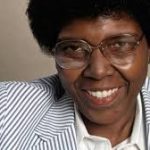
Barbara Jordan on illegal immigration – Audio from CIS.org ‘Who Was Barbara Jordan and Why Does Her Work Still Matter Today?’

“ILLEGAL ALIEN”

Image: Dreamstime.com

Know the media

Immigration amnesty education

MEDIA WATCH

BIRTHRIGHT CITIZENSHIP

BLACK LIVES MATTER * ANTI-ENFORCEMENT

May Day rally in San Francisco, CA, 2017. CREDIT: Pax Ahimsa Gethen (CC).

The Illegal Alien Lobby

THE ILLEGAL ALIEN LOBBY

11th Circuit Appellate Court: DACA: NO LAWFUL PRESENCE, NO LEGAL STATUS

Image: Wikipedia

The Dustin Inman Society Blog

D.A. King, 1 April 1952 – 5 March 2025

March 23, 2025 By Fred

We are sorry to inform you that D.A. King, President and founder of the Dustin Inman Society, has left us.

Donald (“D.A.”) Arthur King, 1 April 1952 – 5 March 2025.

D.A. King left this life and his work for the nation that he loved, confident that he has done his best. D.A. passed on peacefully after a private battle with cancer.

“Once a Marine, always a Marine” – D.A. was always visibly proud of his service and his honorable discharge from the U.S. Marine Corps (1970-1976).

D.A. described himself as “pro-enforcement” on immigration and borders, an issue on which he dedicated the last 21 years of his life as an expert activist, writer and public speaker.


D.A. King talks amnesty, “hate” and “immigrants” with Jorge Ramos on Univision

https://youtu.be/w6FPMn0h4fk

Illegal immigration is not healthy for Americans

Brian Kemp’s first TV campaign ad, 2018

https://youtu.be/Gx7TsHCH35w

Dustin Inman Society page A-1, New York Times

Photo: New York Times/Twitter

Feb. 21, 2023 National Press Club Panel: OVERRUN – “The Greatest Border Crisis in History” From the Center for Immigration Studies

https://youtu.be/seND4qGrvxY

John Stossell: The Southern Poverty Law Center is a scam

https://youtu.be/k41PI54ExFc

The Great Terry Anderson (RIP) on illegal immigration in Los Angeles. – 2009

https://www.youtube.com/watch?v=dUEl8WYDDus

Terry Anderson video, part 2 – Birthright Citizenship

https://www.youtube.com/watch?v=6SS-5u8CMB4

RECENT BLOG ENTRIES

Open records request to TCSG Dec 2, 2024 – “We anticipate having the documents you are requesting to you no later than Friday the 13th of December. “- “At this time, the requested records do not exist.”

Welcoming Illegal immigration to Georgia with special treatment on college tuition

Retraction demand letter to Atlanta Journal Constitution newspaper (updated, Nov. 2, 5:55 AM)

Media request sent to Technical College System of Georgia – OCGA 50-36-1 – Employers in Apprenticeship program — Updated with response

Open records request of Sept. 24, 2024 to TCSG, Re: HDAP, employer docs and response OCGA 50-36-1 – SB 497

COBB COUNTY SHERIFF CRAIG OWENS IS A DANGEROUS MAN

The AJC was the ‘Dinner Chair’ for the 2004 Atlanta MALDEF fundraiser

Response from Senior Admissions Counselor at the College of Coastal Georgia to inquiry regarding Dual Enrollment, illegal aliens and no-cost classes

Open records request sent to TCSG on July 8, 2024 Re: Compliance with new language added to OCGA 56-36-1 in 2024 SB 497

Media request sent to the Technical College System of Georgia (TCSG) Re: Comment on the Addition of “Apprenticeships” to list of public benefits, OCGA 50-36-1 *Updated with reply

Open Records request sent to the Cobb County Sheriff’s office 4:56 AM, Thursday, June 6, 2024. 287(g) – Updated with response(s)

Biden violates federal law to give millions of migrants work permits

The Dustin Inman Society on the CIS podcast with Jessica Vaughan: HB 1105 and SB 354 – “Enforcement works!”

Why Are the Charities Enabling Illegal Immigration Still Tax-Exempt?

Tyler O’Neil: SPLC Fought Reforms That Might Have Helped Prevent Laken Riley’s Death, Immigration Activist Says

GALEO Inc. donors include the SPLC – $100,000

D.A. King in The Federalist this week: Laken Hope Riley’s Murder Outs Georgia As Largely A Sanctuary State

We remember: Candidate Brian Kemp’s 1st TV campaign ad, 2018 GOP Primary “Conservative candidate Brian Kemp will …enforce the ban on sanctuary cities.”

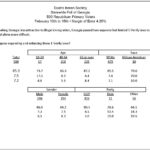
Illegal Immigration in GA: Dustin Inman Society Statewide Poll of Georgia GOP primary voters – Conducted by Landmark Communications Feb 13-15, 2024

It’s not 1859 – Let’s raise the pay for farmworkers who are here legally

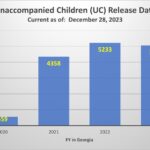
Unaccompanied Alien Children (UACs) released into GA, 2020-2023 – data from U.S. Dept. of Health and Human Services

The SPLC is funding “Latinx” groups to advance foreign language voting

‘Terrorist Entry Through the Southwest Border’ – audio interview with expert Todd Bensman of CIS

Open records request GADOL (#3) – Affidavits/EADs *Updated

List of media members to whom we sent a “news tip” on GA Gov. Brian Kemp ignoring Dem sheriff’s open violation of state law, OCGA 42-4-14

Dustin Inman Society featured in Breitbart story: “For example, King is now trying to get the GOP governor of Georgia, Brian Kemp, to enforce a Georgia law that requires sheriffs to report jailed illegals to the federal government”

We have serious compliance problems in Georgia OCGA 42-4-14

Illegal alien captured in Gwinnett County, GA, detected by 287(g): Aggravated child molestation by sodomy, from ICE report


OLDER ENTRIES


REMEMBERING BARBARA JORDAN ON IMMIGRATION

Barbara Jordan. (Biography.com) "Those who should get in, get in; those who should be kept out, are kept out; and those who should not be here will be required to leave." - Testimony of the late Barbara Jordan, Chair, U.S. Commission on Immigration Reform on February 24, 1995.

ORIGINAL WEBSITE

The Dustin Inman Society Logo

Video

ACCUSED KILLER OF DUSTIN INMAN WILL NOT BE RETURNED TO THE U.S.

Associated Press: “Some illegal immigrants can get Georgia driver’s licenses”

Georgia drivers license issued to non-citizens. Photo DDS

GEORGIA LAW REQUIRES JAILERS TO REPORT ILLEGAL ALIEN PRISONERS TO DHS

MAKE YOUR VOICE HEARD!

testlll
CLICK BUTTON TO SEE LATEST ACTION NEEDED

Follow these other immigration experts on Twitter

contact georgia state legislators

State House Reps and state senators – contact georgia state legislators here.

If you don’t know who represents your and your family in Atlanta, you can find out here.

Contact the Georgia Delegation in Washington

Contact info for the Georgia delegation in Washington DC here. Just click on their name.

Copyright © 2026 All Rights Reserved • Web Pages by Classic Impressions • www.thedustininmansociety.org


Loading Comments...
 

You must be logged in to post a comment.